 R.L. Simmons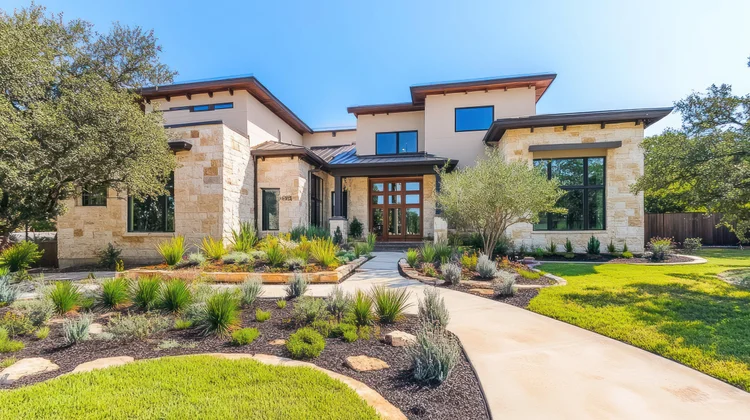
We get a lot of people moving to the Texas Hill Country from other parts of Texas, like Houston, San Antonio, and Austin. A lot from California too. The Hill Country is unique in its terrain and climate and requires building methods you won't find in those places.
A good, competent builder from San Antonio generally doesn't have that understanding. They assume a house can be built here the same way it's built there. Building a Hill Country foundation requires expertise that big-city builders don't have. That's not an insult. It's just not their territory.
Building costs are different here too. Most things are more expensive, whether materials or subcontractors. Sure, some subs will come from the cities and you might save some money, but for the most part they're busy where they are and don't want to travel. Having good long-term relationships with subs and suppliers makes a huge difference in a rural setting. I've been working with some of my subs for over 30 years.
The soil is different out here
Proper planning and accounting for drainage is paramount when building in the Hill Country. We go from months of arid dry weather to torrential rains that can dump 3 to 4 inches in an hour. Places you never thought possible flood. Where you place your house and how the foundation is built to handle those rains matters. You don't want to get water in your house.
Knowing what you're building on shapes every decision. Is it sandy loam or solid rock? Designing the foundation to fit the land sometimes calls for part engineered concrete slab and part engineered wood structure. Knowing what works best and what is cost-effective is part of what I bring to every project.
The weather plays differently here
We get cold snaps that drop below freezing. We get 100-degree summers. We get thunderstorms that drop three inches of rain in an hour on rocky ground that doesn't absorb fast. If your drainage isn't designed for that kind of event, you'll learn about it the hard way.
I've designed drainage on properties where water had nowhere logical to go. The answer was always creative, and it was always something you had to see in person to figure out. You can't solve Hill Country drainage from an office in Austin.
The materials need to match the place
Limestone. Cedar. Standing seam metal roofing. These aren't just aesthetic choices out here. They're practical ones. They weather well. They fit the environment. They don't fight the climate they're sitting in.
I'm not dogmatic about materials. I've used plenty of non-native options when they made sense. But after 35 years I know what holds up in this climate and what tends to cause headaches down the road.
The relationships matter as much as the skills
I know the county inspectors. I know the local suppliers. I know which roads can handle heavy equipment and which ones will get a truck stuck. I know where to source good local stone and which quarries will cut to spec without a six-week wait.
That's not something you pick up in a few projects. It comes from doing this work in this place for a long time. Those relationships keep your project moving when things get complicated, and things always get complicated.
If you're planning a custom home in the Hill Country and want to talk to someone who has been building here for decades, I'm always happy to have that conversation. No pressure, no pitch. Just an honest talk about what your project would actually take.
Building in the Hill Country? Talk to someone who has been doing it here for 35 years. Randy's consultation is free and comes with no obligation.
Schedule a Free Consultation